

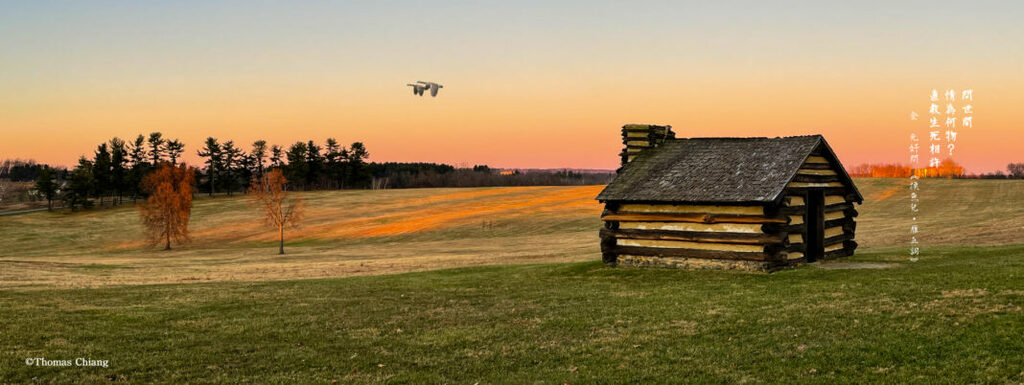
2022-01-16;星期日;天氣:晴轉陰、雪、雨;8F-42F
(2021-12-12 攝於 Valley Forge National Park, Pennsylvania)
【序】
乙丑歲赴試并州,道逢捕雁者云:“今旦獲一雁,殺之矣。其脫網者悲鳴不能去,竟自投於地而死。”予因買得之,葬之汾水之上,壘石為識,號曰“雁丘。同行者多為賦詩,予亦有《雁丘詞》。舊所作無宮商,今改定之。
問世間,情為何物,直教生死相許?
天南地北雙飛客,老翅幾回寒暑。
歡樂趣,離別苦,就中更有痴兒女。
君應有語:渺萬裡層雲,千山暮雪,隻影向誰去?
橫汾路,寂寞當年簫鼓,荒煙依舊平楚。
招魂楚些何嗟及,山鬼暗啼風雨。
天也妒,未信與,鶯兒燕子俱黃土。
千秋萬古,為留待騷人,狂歌痛飲,來訪雁丘處。
金 元好問《摸魚兒·雁丘詞》
在金庸所創作的15部武俠小說之中,最為讀者所熟悉的詩詞佳句,非《神鵰俠侶》中,赤練仙子李莫愁的「問世間情是何物」莫屬。她初出場時要唱,臨死時也要當作絕命詞再唱一次。然這句詞並非金庸先生原創,而是出自金朝詩人元好問。元好問此辭寫於金章宗泰和五年(1205年),距今已超過800年。而且在辭之前有一短序説明此辭的創作背景。
事情發生的原委原來是如此。元好問赴并州趕考,途中遇一獵戶設網捕獲一隻大雁,殺之。而脫逃的另一隻大雁卻在原處悲鳴不肯離去,最終竟飛身撞地殉情而死。元好問買了兩隻雁的屍體,在汾水之旁,為牠們築墳,堆壘石塊做為標記,並取了一個名字叫「雁丘」。當時,同行者還有多人為此寫詩作賦。元好問自己也寫下這首「雁丘詞」。
這一隻殉情孤雁甚有靈性,俗話說:「夫妻本是同林鳥,大難臨頭各自飛。」這一對雁的深情,遠勝於人,於是便有元好問修墓立傳之事。「問世間,情為何物?直教人生死相許。」是元好問發出悲淒的大哉問。可同時,我們不禁要問,大雁為什麼一定要殉情呢?為什麼不能繼續活下去呢?牠之前不就已經拼命地掙脫了網嗎?具有強烈的求生本能嗎?是什麼超越了本能,讓牠決定殉情了呢?元好問以大雁的心情——「君應有語」,為大雁問一句——「渺萬里層雲,千山暮雪,隻影向誰去?」飛越萬里雲、千山雪,本不是我的目的,只因有你相伴,如今你已不在,我形單影隻為誰飛?
《神鵰俠侶》中雌鵰撞在山石上自殺殉情的一節(第三十八回〈生死茫茫〉),也有可能受到這《雁丘詞》的影響。
為方便看不懂中文的朋友欣賞此篇感人的詞,附上英文翻譯如下。英文翻譯摘録自以下網頁: http://chinesepoetryinenglishverse.blogspot.com/…/i-ask…
Song of the “Wild Geese Mound”
— by Yuan Haowen (1190-1257)
— Translated by Frank C Yue
Prologue
In the fifth year of Tai He (1205), on my way to the official
examination at Pengzhou, I chanced upon a wild-geese
hunter who said, “I caught a goose this morning and killed it.
The other goose that escaped from my net wailed sadly and
would not leave. Then it committed suicide by crashing onto
the ground.” So I bought the dead fowls, buried them by the
Feng River, piled rocks on the site as a marker and called it
the wild geese mound. At the time, most of my companions
wrote poems about this incident. I also wrote the “Wild-
Geese Mound Ci (Song)” as follows:
“The Wild-Geese Mound Song”
I ask of the world, “What is love” and why
Love just moves some creatures to live or die?
To the north and to the south too,
The pair of travellers flying —
Many a winter and summer through,
The loving old couple been winging.
O Such joy and fun,
But sorrow follows when the parting’s done.
These are obsessed soul-mates also.
The surviving fowl would ask (with a bitter smile) —
Through cloud layers stretching thousands of miles,
Above myriad hills and evening snow,
To whom should this lonely shadow go?
By the Feng River (where they’re buried),
Gone are the songs and music merry;
Above the woods on the plain rolling,
Desolate smoke still a-rising.
Calling forth the ghosts of the geese dead,
I sigh and sigh in vain instead.
Amidst the wind and rain,
I seem to hear the geese cries again.
Heaven may be jealous too,
Won’t you believe it? (I’ll tell you true):
When orioles, swallows die they’d never
Gain anything like glory;
But the lover-geese shall live forever
In our hearts and our stories.
From here to eternity,
Poets would come to the Wild Geese Mound
To drink and sing praises mighty
To the Faithful Couple by great Love bound.
周深深情款款地演唱這首動人的《問世間情是何物》歌曲,附有原古文歌詞與白話文翻譯。
https://www.youtube.com/watch?v=p8lWsQeMJ0E
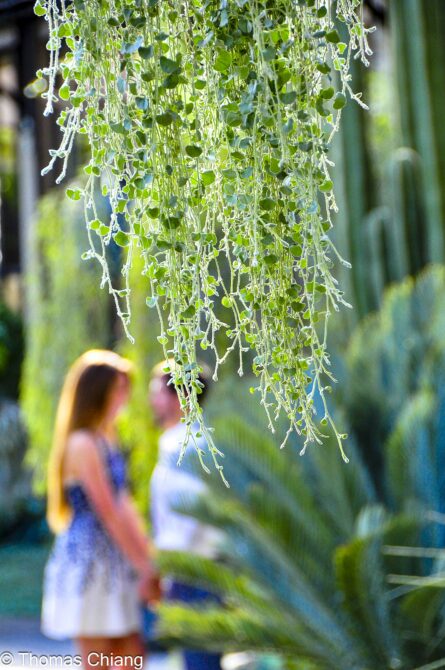 照片 1: 人約黃昏後(攝於Longwood Gardens) 照片 1: 人約黃昏後(攝於Longwood Gardens) |
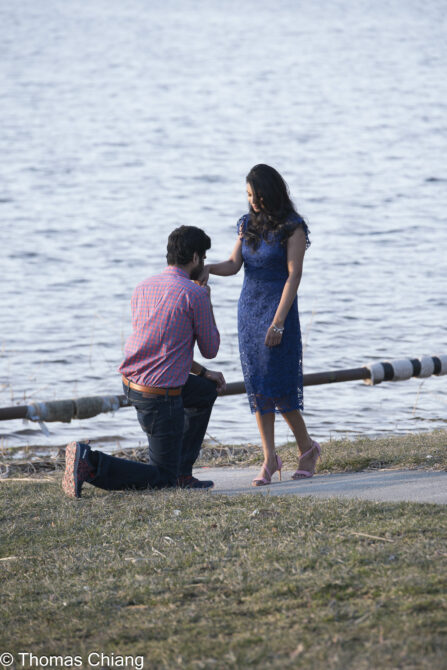 照片 2: 有位佳人,在水一方(攝於Marsh Creek State Park) 照片 2: 有位佳人,在水一方(攝於Marsh Creek State Park) |